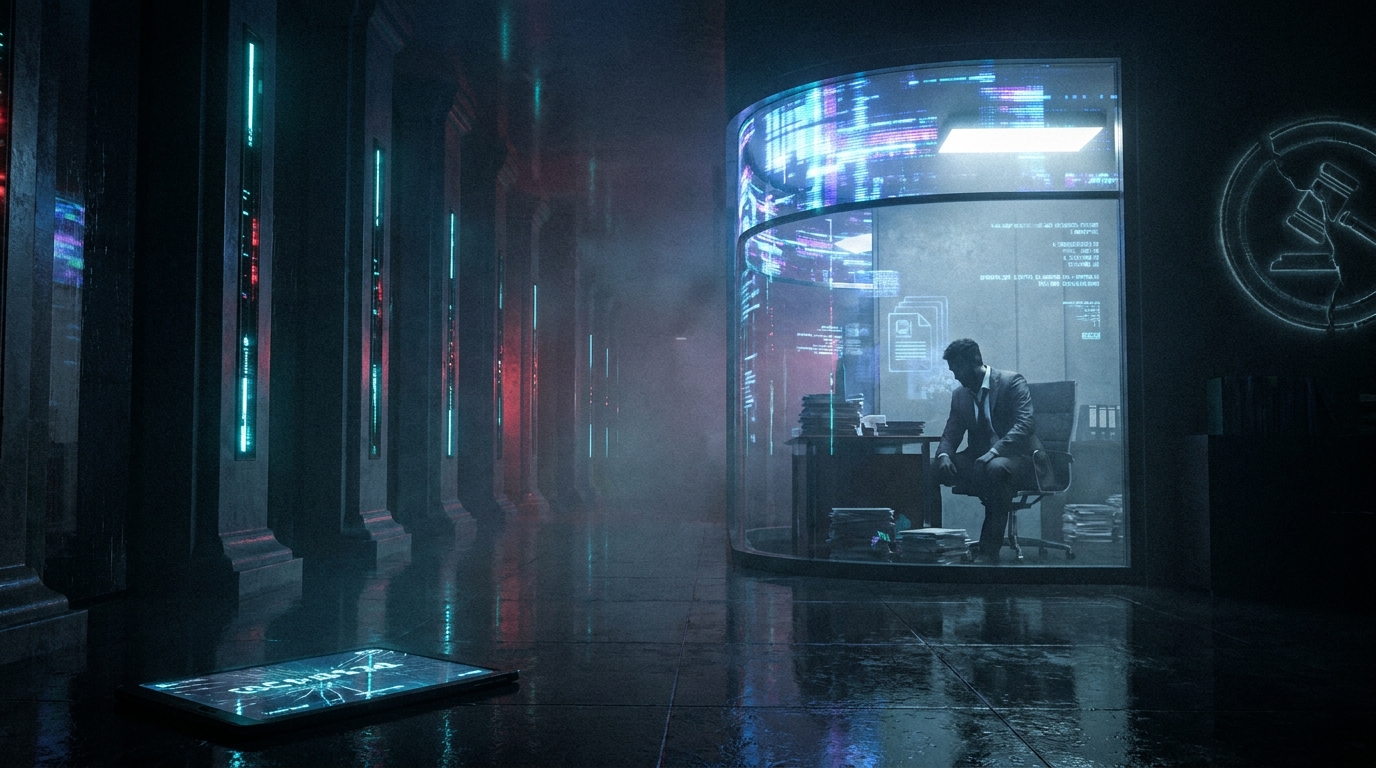
$110,000. The Most Expensive AI Hallucination in American Legal History.
Stephen Brigandi is a San Diego attorney. He filed three court briefs in a federal case in Oregon. The briefs contained 23 fabricated legal citations and 8 false quotations, all generated by AI. None of them existed. None were verified before filing.
On April 4, 2026, U.S. Magistrate Judge Mark Clarke ordered Brigandi to pay $96,000 in direct sanctions, with total penalties against Brigandi and co-counsel exceeding $110,000. The judge called it "a notorious outlier in both degree and volume" in the expanding universe of AI sanctions cases. The client's case was dismissed with prejudice.
It gets worse. A computer forensics expert determined that a letter Brigandi claimed he had prepared in 2018 to demonstrate proper disclosure practices was actually created in 2025, months after the ethics investigation had already begun. The document was backdated. The AI fabricated the citations. The attorney fabricated the timeline.
This is not a hallucination story. It is a human oversight story. The AI generated the fake cases. The attorney filed them. Nobody checked. The judge noticed what the lawyer did not.
$110,000. The most expensive lesson in American legal history about what happens when you let AI into the courtroom without a human in the loop.
Why this matters to youNo jargon — just what it means
A lawyer's whole job is to bring a judge real facts and real law. Stephen Brigandi, a San Diego attorney, filed three court briefs stuffed with 23 made-up case citations and 8 fake quotations — all invented by AI, none of them real, and nobody checked them before they went to a federal judge. The judge noticed. Brigandi was ordered to pay sanctions topping $110,000, and his client's case was thrown out for good.
Why it's a big deal: it got worse. A forensics expert found that a letter he claimed he'd written back in 2018 was actually created in 2025 — backdated to cover himself. The AI faked the law; the lawyer faked the timeline.
So how does it touch you? If you ever hire a lawyer, a machine might be quietly writing your filings — and if no human double-checks, your case can collapse over pure fiction. The client here paid for a mistake they never made. Always ask: is anyone actually checking?