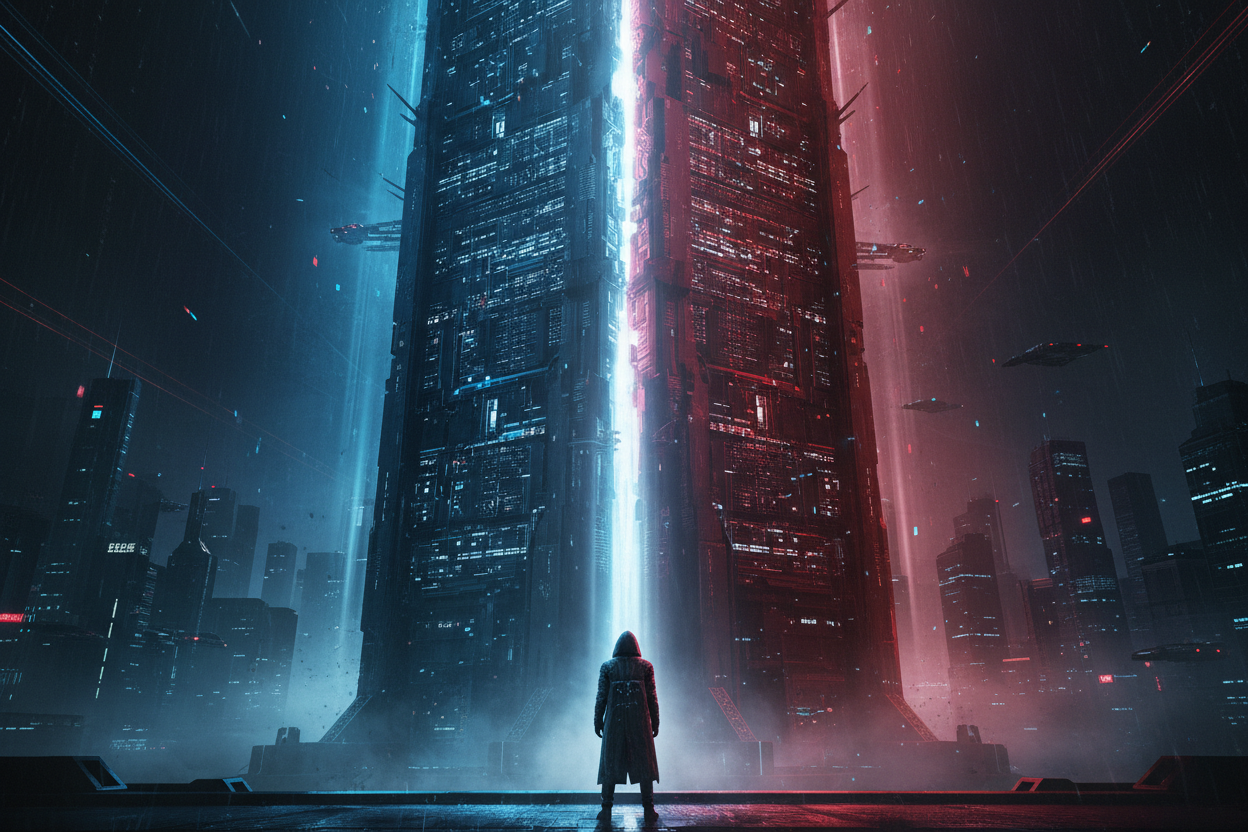
Imagine a company builds the most powerful version of a tool, decides it's too powerful to hand the public, and then quietly makes two versions: a full-strength one for a hand-picked list, and a watered-down one for everyone else. That's what happened here. The strongest model was held back; the public got a version with the dangerous abilities stripped out, while the real thing went to a small, government-involved group of insiders. Same machine underneath. Two doors — one for them, one for you.
Why it's a big deal: deciding who gets the real power and who gets the safe copy is an enormous call about fairness and trust — and it was made entirely behind closed doors. No independent referee was in the room.
So how does it touch you? You may never know whether the tool you're handed is the full one or the trimmed one — or what was quietly taken out before it reached you. When a handful of people decide who gets the real thing, regular folks are simply told to trust them. And nobody asked you.