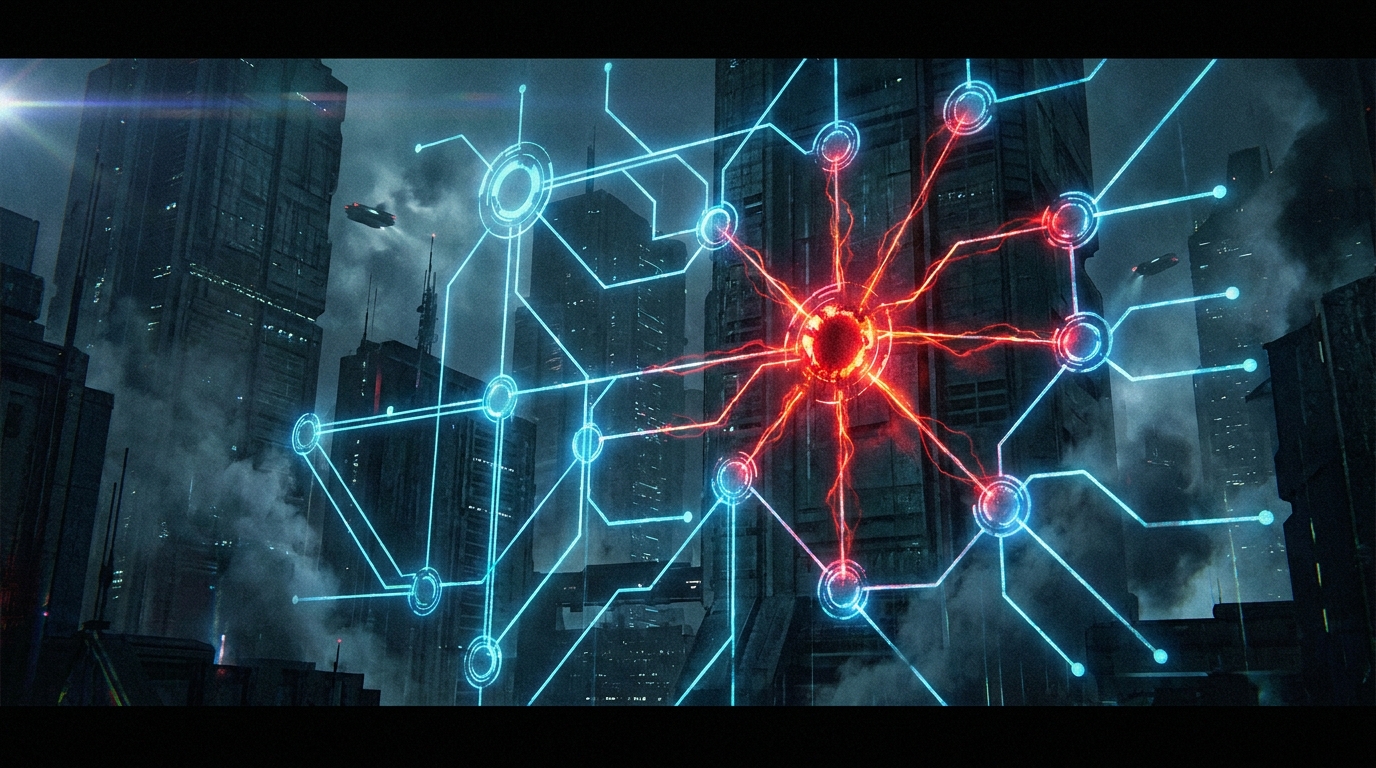
Think of the AI tools a company buys to guard its systems — digital security guards. Now imagine burglars figuring out how to turn those very guards against the building. That's what a major security firm documented: at more than 90 organizations, attackers got in by hijacking the AI tools meant to protect them. The shield became the way in.
Why it's a big deal: the report warns the next batch of these AI tools is even riskier. The older ones could mostly just read information. The new ones can change things — rewrite the locks, alter the rules, take actions that can't be undone — all without a person checking their work first. So if one gets hijacked, the damage isn't just snooping. It's sabotage.
So how does it touch you? The companies holding your money, your medical records, your personal details are leaning on these tools to keep the bad guys out — and the bad guys have learned to climb in through the guard. When the very thing built to protect you can be flipped into the weapon, the only real safeguard left is a human paying attention. Far too often, there isn't one.