Todos los incidentes
They Knew It Would Hurt Black Prisoners. They Deployed It Anyway.
Última horaJUL 20, 2026FALLA SISTÉMICA

They Knew It Would Hurt Black Prisoners. They Deployed It Anyway.

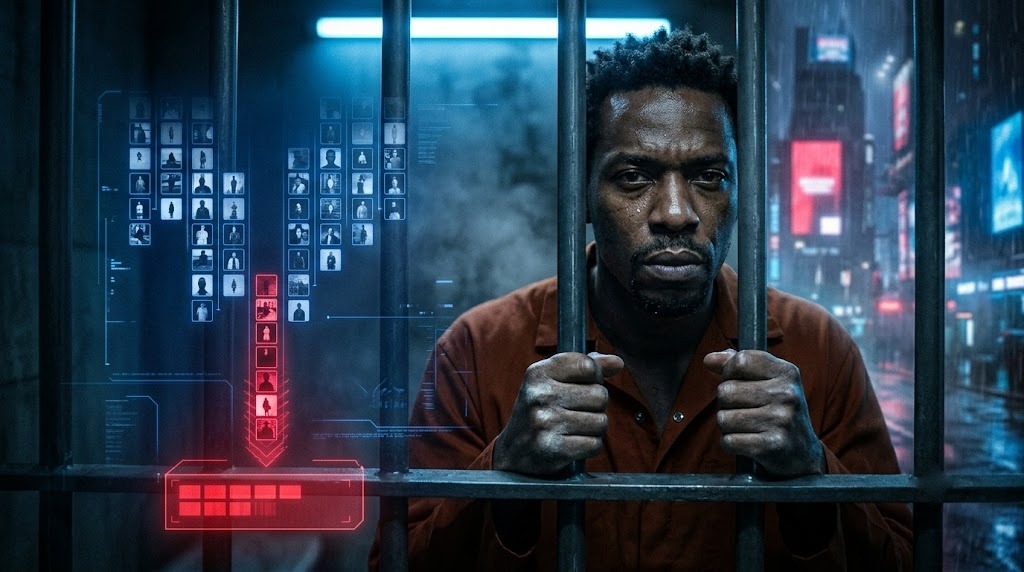
Since 2021, Ontario's jails have run an algorithm called SAFER — the Security Assessment for Evaluating Risk — to score prisoners and decide who lands in maximum security. A class action and an investigation by journalist Desmond Cole just exposed what that scoring produced: Black people are roughly 5% of Ontario's population but made up nearly 27% of maximum-security prisoners between 2022 and 2025, per government data analyzed by University of Toronto criminologist Scot Wortley.

The tool didn't invent the bias. It inherited it — feeding on arrest and disciplinary histories that already reflect documented racial disparities in policing and charging, then laundering that history into a "risk score" that looks neutral. Garbage in, gospel out.

The part that turns this from tragedy into accountability failure: internal ministry training documents admitted that "assessments like SAFER would likely contribute to the overrepresentation" of Indigenous and racialized people in maximum security. They knew. And when they built mitigation measures, they extended them to Indigenous prisoners — but not to Black prisoners. Ontario's Ombudsman had already fielded complaints. A ministry review is "ongoing." The tool kept running.

HOFFICIALHITL Score
HITL Score12/100
Por qué esto te importa a tiSin tecnicismos — solo lo que significa

Imagine a computer program that gets to decide who spends their sentence locked in the harshest, most isolating part of a prison. That's what Ontario handed to a scoring tool called SAFER back in 2021. It reads a person's arrest and discipline records, spits out a "risk" number, and that number helps send them to maximum security. But those old records were already tilted against Black people by years of uneven policing, so the tool just fed on that history and handed it back wearing a clean, official-looking face. Black people are about 5 out of every 100 residents in Ontario. They became nearly 27 out of every 100 people in maximum security.

Here's why that's a big deal: the government wasn't surprised by any of this. Their own training papers admitted the tool would likely push racialized people deeper into maximum security. So they built protections to soften the damage, and here's the gut-punch: they gave those protections to Indigenous prisoners and left Black prisoners out. They saw the harm coming, wrote it down, chose who to shield, and let the machine keep running anyway. A "review" is ongoing. The scoring didn't stop.

🖤 Explicado por Babycakes.
Leer la fuente completa →
Fuente: MASHABLE, REPORTING ON THE BREACH INVESTIGATION BY DESMOND C